Giving truck drivers complete confidence in every stop and start
COMponents
four main components of a truck’s brake system
Explore the four key components that make up a truck’s brake system—engineered to ensure safe, reliable, and powerful stopping performance on every road.
The global trucking and logistics landscape in late 2025 is defined by a cautious transition from volatility toward stabilization. As the industry navigates the final stretch of the 2025 holiday season, logistics providers are beginning to solidify the operational blueprints that will define 2026. The current market is characterized by a "rebalancing" phase where excess capacity is gradually leaving the market, and freight rates are reaching a foundational floor. According to recent data from ACT Research, the trucking industry is heading into 2026 with an expectation of gradual freight recovery, though for-hire carriers continue to operate at near-recessionary margins due to high input costs and muted spot market demand.
Holiday Season Shaping the 2026 Trajectory
The current holiday market is providing a critical litmus test for how the industry will handle demand cycles in the coming year. Unlike the chaotic surges of previous years, the late 2025 peak has been more controlled but remains highly sensitive to external shocks.
Holiday Market Dynamics and Their Lasting Impact
The trends observed during the present year end are shaping the strategies of logistics leaders for the first half of 2026.
Frontloaded Inventories: Many importers pulled freight forward earlier in 2025 to mitigate the risks of tariff escalations and potential labor disruptions at ports. This has resulted in a flatter holiday peak but an inventory surplus that must be managed into Q1 2026.
E-commerce Resilience: Despite general consumer anxiety, e-commerce volumes remain a primary driver of last mile demand. UPS Supply Chain Solutions reports that global contract logistics continues to see steady growth, with e-commerce necessitating faster, more flexible fulfillment centers located closer to urban hubs.
Spot Rate Volatility: While contract rates have largely stabilized, seasonal surges during the holidays have created localized volatility. This "jolt" behavior is expected to carry over into 2026, where regional capacity tightening will be driven by specific sector demand rather than a broad national surge.
Operational Agility: The current season has proven that technology and AI can absorb short term shocks. FreightWaves notes that real time visibility tools have significantly reduced traditional seasonal volatility by allowing for more efficient load matching and route optimization.
Critical Truck Parts: Sustaining Demand through 2026
As the industry prioritizes uptime and reliability over fleet expansion, the demand for high quality maintenance components is projected to remain high. For 2026, the focus is shifting away from growth and toward the preservation of existing assets through meticulous maintenance.
Components Essential for Fleet Longevity
Specific truck parts will see sustained or increased demand as fleets extend their vehicle trade cycles to avoid the high capital costs of new Class 8 trucks.
Slack Adjusters and Brake Systems: With safety regulations tightening and the average age of the tractor fleet rising, the slack adjuster remains a critical component for maintaining brake efficiency. Ensuring that semi truck slack adjuster units are functioning properly is vital for passing roadside inspections.
Brake Chambers and Calipers: Heavy duty brake calipers and consistent brake chamber replacement cycles will be essential for fleet operators looking to minimize downtime and prevent catastrophic mechanical failures in heavy traffic lanes.
Emissions and Compliance Parts: As carriers prepare for the upcoming EPA 2027 standards, there is an increased focus on maintaining existing exhaust and sensor systems. The cost of non-compliance is becoming a major financial deterrent for smaller carriers.
S-camshafts and Structural Hardware: The physical strain on local delivery trucks, which represent 55.6% of the freight market according to Global Market Insights, will drive continuous demand for camshafts, bushings, and hardware kits that withstand the stop and go nature of last mile logistics.
Challenges in Keeping Pace with 2026 Demand
Despite the move toward stability, the industry faces significant headwinds that threaten to disrupt the delicate balance between supply and demand.
Persistent Barriers to Efficiency
Meeting the demand of 2026 will require navigating a landscape where labor and capital are both under significant stress.
The Accelerating Driver Shortage: The American Trucking Association (ATA) projects that the driver shortage could grow to 174,000 by the end of 2026. This shortage is exacerbated by an aging workforce and the high turnover rates associated with long haul routes.
Regulatory Cost Inflation: New environmental mandates, such as California’s Advanced Clean Fleets regulation, are forcing carriers to re-evaluate their equipment strategies. The high upfront cost of zero-emission vehicles is a significant barrier for carriers already operating with thin profit margins.
Cybersecurity and Data Governance: As logistics becomes more digitized, the risk of cyberattacks on transportation management systems (TMS) grows. Investing in secure, cloud based infrastructure is becoming a mandatory cost of doing business.
Infrastructure Deterioration: Road congestion and failing urban access points reduce fleet productivity and increase fuel consumption, making it harder for logistics firms to meet time sensitive delivery windows.
Efficient Strategies for 2026 Logistics
To successfully meet demand in 2026, logistics and trucking firms must transition from reactive maintenance to proactive, data driven fleet management.
Optimizing the Modern Supply Chain
Efficiency in the coming year will be defined by how well firms can integrate technology with human labor.
Adopting AI and Predictive Analytics: Utilizing AI for demand forecasting and agentic AI for automated dispatching can improve throughput by 20 to 40 percent. These tools allow fleets to position equipment and drivers where they are most needed, reducing empty miles.
Prioritizing TCO over Initial Cost: Fleet managers are increasingly focusing on the total cost of ownership (TCO). Investing in premium brake shoes and high performance slack adjusters reduces the frequency of replacements and the labor costs associated with frequent repairs.
Strengthening 3PL Partnerships: As capacity selectively tightens in high demand regions, strong partnerships with third party logistics providers will be key for maintaining flexibility and scalability.
Regionalized Networks: Shortening supply chains and moving inventory closer to the end consumer allows for more predictable delivery cycles and helps mitigate the risks of geopolitical or weather driven disruptions in long haul corridors.
GAPASA: Empowering Global Fleets for the Road Ahead
GAPASA understands that the success of the logistics industry relies on the reliability of every individual component in the braking system. As an IATF 16949-certified manufacturer, we provide the precision engineered parts that fleets need to navigate the challenging landscape of 2026 with confidence. Our commitment to excellence ensures that whether a vehicle is engaged in local delivery or long haul transport, its brake system is equipped to perform.
Advanced Solutions for Reliable Transportation
We offer a comprehensive catalog of parts designed to meet the high standards of global OEMs and fleet managers.
Slack Adjusters: Our slack adjuster of trucks is designed for durability and ease of installation, ensuring consistent brake tensioning across varied road conditions.
Heavy Duty Brake Calipers: Engineered to handle the thermal stress of heavy hauling, our calipers provide the reliable stopping power necessary for modern semi trucks.
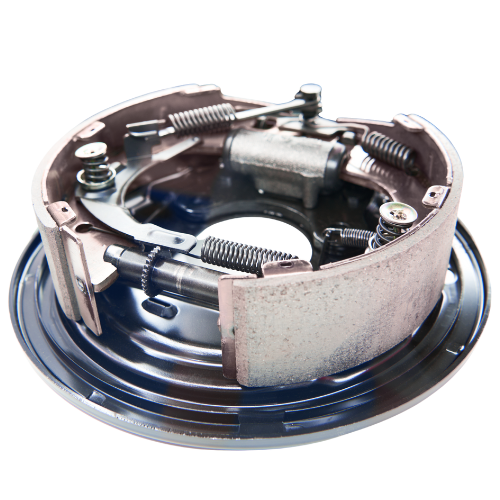
Brake Chambers and Shoes: We produce high grade brake chambers and linings that offer extended service intervals, helping logistics firms manage their maintenance budgets more effectively.
Precision Camshafts: Our S-camshafts are machined to exact tolerances, reducing wear on related components and ensuring smooth brake actuation.
Conclusion
The trucking and logistics industry is entering 2026 with a focus on resilience and precision. While the current holiday market has highlighted the fragility of global supply chains, it has also showcased the power of technological optimization. By addressing the challenges of driver shortages and regulatory pressure through strategic investment in quality truck parts and data driven practices, the industry can efficiently meet the evolving demands of the global economy. GAPASA remains a dedicated partner in this journey, providing the reliable brake solutions that keep fleets safe and operational every mile of the way.
Looking for brake chambers, slack adjusters or other commercial vehicle brake parts? Send us your product numbers, quantities or technical requirements for review.