
Explore the four key components that make up a truck’s brake system—engineered to ensure safe, reliable, and powerful stopping performance on every road.
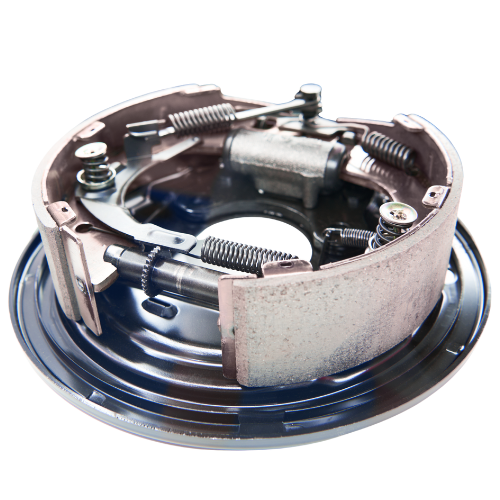
As 2025 reaches its final stretch, the logistics landscape transforms into a high-pressure environment for professional truck drivers. For those behind the wheel, the holiday season is not just a period of increased freight volume; it is a test of technical skill and personal resilience. Navigating the unique demands of the December rush requires a deep understanding of how fluctuating costs and winter hazards impact both the vehicle and the professional life of the operator.
Success during the peak season is often measured in minutes and miles. With millions of additional passenger vehicles on the road, drivers must adopt a more proactive approach to their daily scheduling to maintain safety and efficiency.
The financial health of a trucking operation is inextricably linked to the reliability of the vehicle. In 2025, the trucking industry continues to face rising per-mile costs, making it essential for drivers to recognize how small mechanical issues can lead to massive financial setbacks.
The shift in fleet operations during the holidays creates a ripple effect that directly impacts the daily life of the individual driver. To survive the season, it is vital to recognize these systemic risks and implement strategies to avoid them.
Managing Fleet Schedule Aggression
During peak season, fleet managers often tighten delivery windows to meet surging demand. For the driver, this can lead to increased pressure to skip thorough inspections or rush through rest breaks. To avoid the risk of burnout or accidents, drivers must maintain a firm commitment to safety protocols. Clear communication with dispatch regarding weather delays or mechanical concerns ensures that expectations remain realistic and safety is never compromised for speed.
Logistical Bottlenecks and Solution Sourcing
The sudden influx of volume can overwhelm loading docks and distribution centers, leading to longer detention times. These delays eat into a driver’s available hours of service, often pushing their travel into the hazardous overnight hours. Drivers can mitigate this by utilizing mobile apps to monitor facility congestion and adjusting their arrival times when possible. Furthermore, having a pre-vetted list of emergency service providers can save hours of waiting if a mechanical issue arises in a congested area.
Environmental Hazards and Equipment Stress
Winter road treatments like magnesium chloride are highly corrosive to air brakes and electrical connections. To avoid the risk of an out of service violation, drivers should perform mid-trip "quick checks" of their light and brake systems. Rinsing the undercarriage when temperatures allow can also prevent the buildup of ice and salt that leads to seized brake calipers or frozen air lines.

The most critical safety feature of any heavy duty vehicle is its air brakes. When temperatures drop and road salt becomes prevalent, the components responsible for stopping the vehicle face their most aggressive environment of the year.
Critical Components for Driver Safety
A driver’s confidence on icy roads comes from knowing the braking system is in peak condition. Regular checks of the following mechanical links are essential for safe winter operation.
The Strategy of Part Procurement
As the year ends, the logistics of obtaining high quality truck brake parts become more complex. Drivers and small fleet owners should be aware of the importance of sourcing from reliable truck brake calipers manufacturers before the rush hits its peak.
At GAPASA, we recognize that the driver is the most important link in the global supply chain. As an IATF 16949 certified manufacturer, our mission is to provide the reliability you need to focus on the road ahead. We understand that during the holiday rush, you cannot afford to worry about the quality of your equipment.
The holiday season in the trucking industry is a balance of professional opportunity and operational risk. By prioritizing personal wellness, mastering defensive driving, and ensuring the mechanical integrity of your vehicle, you can navigate the 2025 peak season with confidence. Success is found in the details—from the calibration of your slack adjuster to the quality of your route planning. With a commitment to readiness and a partner like GAPASA, you can ensure that your truck remains safe and your business remains profitable, every mile of the way.