Giving truck drivers complete confidence in every stop and start
COMponents
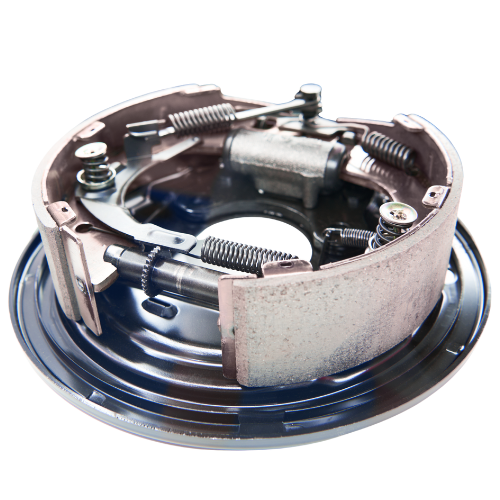
four main components of a truck’s brake system
Explore the four key components that make up a truck’s brake system—engineered to ensure safe, reliable, and powerful stopping performance on every road.
As the global logistics sector transitions from the peak holiday season into the first quarter of 2026, the focus for fleet managers and owner operators is shifting from raw volume to operational resilience. Q1 is traditionally a period of rebalancing, where carriers must manage the intersection of winter weather hazards and the need for rigorous asset preservation. According to market insights from ACT Research, 2026 is projected to be a year of stabilization, requiring fleets to prioritize maintenance and data driven decision making to protect margins in a high cost environment. Successfully navigating this period requires a proactive approach to safety and a robust inventory of critical components.
Top 10 Crucial Fleet Management Practices for Q1 2026
The following practices have been identified by industry leaders and recent logistical trend reports as the primary drivers of stability and profit retention for the first quarter of 2026.
Prioritizing Asset Replacement Over Expansion: As noted in the 2026 Trucking Trends Report by PCS Software, mid sized carriers are increasingly shifting their capital toward replacing high maintenance older units rather than growing fleet size. This strategy reduces the risk of over investing in an uncertain market while ensuring that the core tractor fleet remains reliable.
Transitioning to Predictive Maintenance Models: Leading fleets are moving away from reactive repairs. By utilizing real time vehicle fault code data and engine diagnostics, managers can schedule shop visits before a minor sensor issue evolves into a catastrophic roadside failure, which is especially critical during the high stress winter months.
Implementing AI-Enabled Safety Dashcams: Video technology is no longer just for recording accidents. In 2026, AI enabled dashcams are becoming a standard safety layer, providing real time in cab alerts for tailgating, distraction, and following distance to help drivers navigate icy Q1 roads safely.
Aggressive Driver Coaching and Retention: With the driver shortage projected by the ATA to reach 174,000 by late 2026, keeping current drivers is essential. Practices include offering more predictable home time and using telematics to reward safe driving rather than just penalizing mistakes.
Route and Fuel Optimization: Modern TMS tools are being used to build routes that specifically avoid winter congestion and construction bottlenecks. This reduces idle time and fuel waste, which Prologis identifies as a top factor in managing rising transportation spends.
Emissions Compliance Readiness: Fleets are beginning to audit their systems in preparation for the upcoming EPA 2027 standards. This includes monitoring the health of aftertreatment systems and SCR catalysts to avoid the high costs of non compliance as regulations tighten.
Consolidating Telematics and ELD Platforms: To reduce administrative drag, efficient fleets are moving toward unified data platforms where HOS, GPS, and engine diagnostics live in a single dashboard, allowing for faster decision making.
Quarterly Transportation Refreshes: Annual bid cycles are becoming insufficient for the 2026 market. Fleet managers are conducting quarterly reviews of their carrier awards and pricing to ensure their routing guides match current market capacity and service levels.
Regionalization of Distribution Networks: There is a growing shift toward shorter haul, regional networks to reduce transit times and mitigate the risks of long haul disruptions. This practice helps logistics firms maintain service consistency during unpredictable Q1 weather events.
Total Cost of Ownership (TCO) Procurement: Buying decisions are now driven by the lifetime value of a part. Fleet managers are negotiating for premium components—such as high grade brake shoes and slack adjusters—that offer extended service intervals and lower labor costs over time.
Anticipated Hazards and Challenges in Q1 2026
The first quarter brings a unique set of obstacles that test the endurance of both the driver and the machine.
Hazardous Road Conditions
Winter weather remains the most significant hazard during Q1. Black ice, heavy snow, and freezing rain significantly increase stopping distances, which is sometimes by up to ten times, making the reliability of the braking system a matter of life and death. Bridges and overpasses, which freeze faster than standard roadways, require extra caution and perfectly calibrated equipment.
Operational and Economic Obstacles
The Driver Shortage Crisis: The American Trucking Association (ATA) warns that the driver shortage continues to exert pressure on logistics schedules. This leads to increased driver fatigue and a higher reliance on less experienced operators during the year's most difficult driving months.
Regulatory Cost Inflation: New mandates, such as the EPA 2027 NOx rules, are expected to add significant costs to new equipment. As reported by Tank Transport, this is causing a "pre-buy" surge in 2025 and 2026, leading to a potential shortage of existing vehicle stock.
Corrosive Chemical Exposure: The heavy use of road salt and liquid magnesium chloride during Q1 causes rapid oxidation of s-camshafts, calipers, and air valves, necessitating a more rigorous cleaning and lubrication schedule.
Tips for Keeping Up with Q1 2026 Brake Fleet Demands
Brake systems take the most punishment during the winter months due to debris and moisture.
Weekly Brake Stroke Inspections: Brake linings and hoses should be checked more frequently to identify salt corrosion early.
Air System De-Icing Protocols: Ensure that air dryers are serviced and that reservoirs are drained regularly. Frozen moisture in the air lines is a leading cause of locked brakes and valve failures in Q1.
Slack Adjuster Lubrication: Ensure that every semi truck slack adjuster is properly lubricated with winter grade grease. A stuck adjuster on a slick road can cause a vehicle to jackknife during emergency braking.
Essential Parts Inventory: The Fleet Reserve List
Maintaining a reserve inventory is a strategic necessity to avoid the high costs of emergency shipping and unplanned downtime.
Must-Have Spare Parts for Reserve
Fleets and individual drivers should have these components readily available at their primary hub or in a dedicated "road kit."
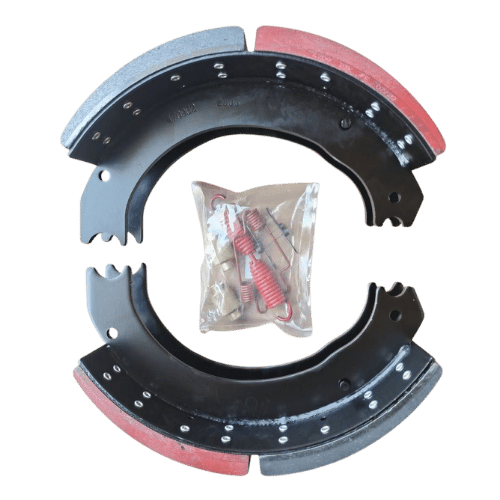
Brake System Components: Keep a stock of brake shoes, linings, and at least two spare brake chamber units for each truck model.
Lighting and Electrical: A full set of LED bulbs and fuses, as visibility is often poor during Q1 winter storms.
Tensioning Tools:New slack adjusters and mounting hardware to address sudden mechanical failures.
Emergency Fluids: At least five gallons of antifreeze and several quarts of oil to manage the higher consumption rates seen in extreme cold.
Filtration Kits: Fuel water separators and filters are prone to waxing in cold weather and should be kept in reserve.
GAPASA: Your Partner in Maintaining Q1 Fleet Uptime
As an IATF 16949-certified manufacturer, GAPASA is dedicated to providing the high quality brake components necessary to meet the demanding standards of the 2026 logistics market. We understand that in Q1, there is no room for error. Our manufacturing process ensures that every slack adjuster, brake shoe, and brake chamber we produce is ready to handle the extreme conditions of the winter season.
Reliability You Can Trust
Slack Adjusters: Our slack adjuster of trucks is engineered for precise calibration, reducing the risk of brake drag or failure on icy highways.
Heavy Duty Brake Calipers: Designed to resist the corrosive effects of road salt, our calipers maintain their performance through the harshest winter months.
Brake Chambers: We use high performance diaphragms and springs to ensure that your air brakes respond instantly, providing the safety your drivers need.
Conclusion
Q1 2026 will be a period of rigorous testing for the trucking industry. By adopting advanced fleet practices, preparing for winter hazards, and maintaining a strategic reserve of parts like the semi truck slack adjuster and brake chamber, logistics firms can ensure they stay moving. GAPASA remains committed to supporting this journey with precision engineered solutions that keep your fleet safe and your operations efficient, no matter the weather.
Looking for brake chambers, slack adjusters or other commercial vehicle brake parts? Send us your product numbers, quantities or technical requirements for review.