Giving truck drivers complete confidence in every stop and start
COMponents
four main components of a truck’s brake system
Explore the four key components that make up a truck’s brake system—engineered to ensure safe, reliable, and powerful stopping performance on every road.
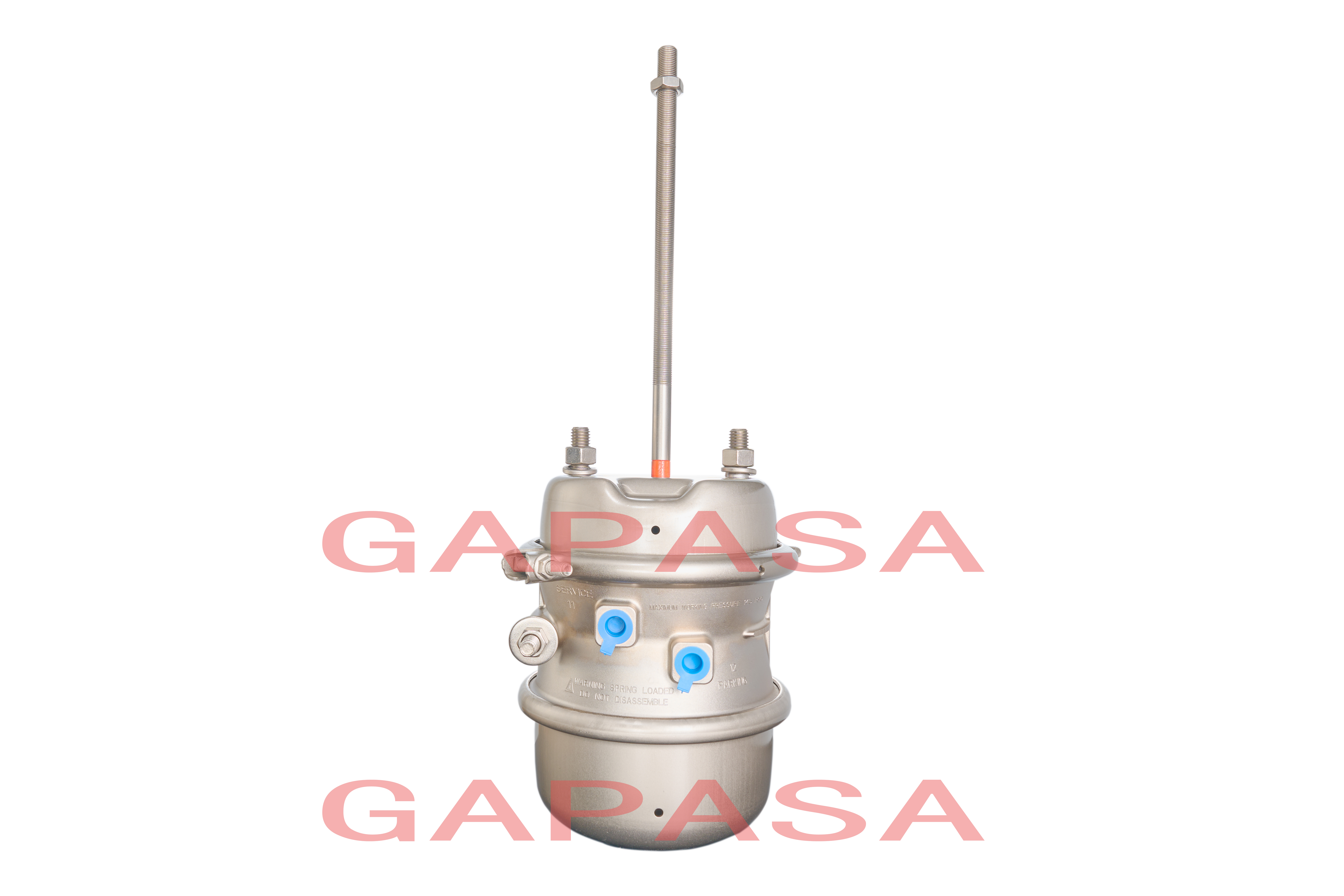
For commercial vehicle fleet managers and parts distributors, the spring brake chamber (often called a 'maxi' chamber) represents the single most critical safety actuator in the air brake system. Unlike a standard service chamber, this dual-function component houses a powerful coil spring that applies the parking brake and acts as the emergency fail-safe. Therefore, its performance is non-negotiable. Sourcing a high-quality spring brake chamber is not merely a purchasing decision; it is a critical strategy to mitigate risk, maximize vehicle uptime, and reduce the total cost of ownership (TCO). This requires looking beyond the price tag to evaluate the design, materials, and manufacturing process that define a truly reliable component.
Key Features of Quality Chambers
The difference between a standard replacement part and a long-life chamber lies in critical design features that manage corrosion, minimize friction, and maximize seal integrity. Procurement teams must scrutinize the component's internal engineering.
Corrosion Protection: Chambers are exposed to harsh road environments. A high-quality chamber features a robust, multi-layer coating, often an advanced powder-coat or e-coating process, which provides superior resistance to road salts, chemicals, and moisture. Inferior coatings lead to premature casing failure and potential damage to the spring.
The Breather System: The chamber must "breathe" as the spring section moves. Look for advanced designs, such as an Internal Breathing Valve (IBV) system, which draws clean air from the service side. Conventional open-hole technology allows road contaminants, dirt, and corrosive salt slurry to enter the spring cavity and accelerate decay of the powerful parking spring.
Diaphragm Material: The primary seal is the diaphragm. A superior diaphragm is typically made of high-grade, ozone-resistant rubber compounds. This material must withstand high temperatures, oil vapors, and constant flexing over millions of cycles without cracking or losing flexibility, which is a key indicator of longevity.
Casing Strength and Welding: The integrity of the clamp ring and the welds holding the spring section is essential. A precision-welded, all-steel housing offers superior impact resistance and ensures the highly tensioned spring remains safely contained throughout its service life.
System Interaction and Impact
No brake component works in isolation. The spring brake chamber's lifespan is intrinsically linked to the performance of upstream and downstream components.
Air Supply Quality (Air Dryers): The longevity of the chamber's diaphragms and internal springs is directly determined by the cleanliness of the air supply. A properly functioning air dryer removes moisture and oil vapor. When a dryer fails, water can enter the chamber, causing internal corrosion of the spring and piston, leading to premature failure and costly brake chamber replacement.
Pressure Control (Brake Valves): Precision brake valves (like the Foot Brake Valve and Relay Valve) control the rapid application and exhausting of air. Any malfunction in the valves, such as slow venting, can cause pressure to linger in the chamber, resulting in residual drag on the brakes and accelerated wear on the service diaphragm and linings.
Mechanical Alignment (Slack Adjusters): The chamber's pushrod connects directly to the slack adjuster. Installation misalignment, which is often due to using an improperly sized pushrod or incorrect mounting, forces the pushrod against the side of the chamber opening. This causes localized friction and rapid damage to the service diaphragm, leading to early air leaks and reduced braking force.
Performance Under Duress: Lifespan and Materials
The lifespan of a spring brake chamber, typically estimated at 5 to 7 years, is severely impacted by operating environment and materials. Fleet managers should consider two primary challenges:
Corrosive Environments: Vehicles operating in coastal regions or areas using heavy road salts (magnesium chloride, calcium chloride) require chambers with enhanced protection. Manufacturers offering severe-duty designs, featuring stainless steel clevis pins, neoprene-impregnated rubber boots, and specialized zinc-rich coatings, which can offer three-to-five times the service life of standard components in these conditions.
Dynamic Fatigue: The main power spring within the emergency section is under constant, immense compression. Quality manufacturers use high-grade materials like chrome silicon pre-tempered wire which provides superior fatigue resistance compared to standard spring steel, ensuring the spring maintains its force over millions of cycles and does not break or 'clash' prematurely.
Essential Maintenance and Inspection
Routine maintenance is crucial for preventing unexpected failures and maximizing the lifespan of the spring brake chamber. A proactive approach focuses on timely checks and immediate correction of related issues.
Regular Leak Checks: Conduct visual and audible checks for air leaks around the chamber, especially at the clamp ring, pushrod boot, and air ports. A steady leak indicates diaphragm failure or a compromised seal, necessitating immediate brake chamber replacement.
Pushrod Stroke Measurement: Periodically measure the pushrod stroke to ensure it remains within the manufacturer's specified limits. Excessive stroke usually points to a maladjusted slack adjuster or worn brake linings, placing undue stress on the chamber.
Check Air Dryer Function: Confirm the air dryer is purging moisture and contaminants effectively. The presence of water or oil in the air tanks will directly degrade the internal components of the spring brake chamber.
Inspect Mechanical Linkage: Examine the clevis pin, yoke, and pushrod boot for wear, damage, or binding. Ensure the pushrod moves freely and is correctly aligned with the slack adjuster to prevent side loading and diaphragm abrasion.
Sourcing Smarter: Procurement Tips
To mitigate supply chain risks and ensure product reliability, procurement teams must implement validation standards that go beyond dimensional matching.
Demand Validation Evidence: Do not simply trust a claim of quality. Demand evidence of design validation testing such as:
Salt Spray Testing: Verification of corrosion resistance.
Variable Pressure Cycle Testing: Proof that the diaphragm and seals can withstand the required number of application cycles (often exceeding SAE standards).
Vibration and Cold Cell Testing: Assurance of performance in extreme conditions.
Verify IATF 16949 Certification: This globally recognized standard for Automotive Quality Management Systems ensures the manufacturer is committed to defect prevention, continuous improvement, and robust supply chain control from the raw steel and rubber materials to the final assembly. This certification significantly minimizes risk compared to sourcing from non-certified facilities.
Focus on Consistency: A manufacturer that controls the process from forging or casting the major components through to the final CNC machining and assembly offers consistency that a simple assembler cannot. This full control is the definitive sign of a supplier that can guarantee tolerance and performance.
GAPASA: Component Solutions
GAPASA is recognized as an IATF 16949 certified truck brake parts manufacturing leader, renowned for its commitment to engineering excellence in manufacturing premium quality truck and trailer brake parts. With over two decades of industry experience, our expertise supports fleets, major distributors, and Original Equipment Manufacturers (OEMs) worldwide. Our modern manufacturing facility, which integrates forging, casting, and advanced CNC technology, maintains stringent oversight from the initial raw materials to the finished product, assuring the consistency and precision indispensable for foundation brake system safety.
As dedicated truck brake calipers manufacturers, GAPASA offers a specialized product range, focusing on system-wide reliability:
Brake Chambers: We supply high-performance spring brake chambers engineered with corrosion-resistant coatings and durable diaphragms to maximize lifespan and reduce the need for premature brake chamber replacement.
Valves and Actuation: Our portfolio includes precision-calibrated brake valves, Foot Valves, and Relay Valves, ensuring accurate pressure control that works synergistically with the chambers for synchronized braking.
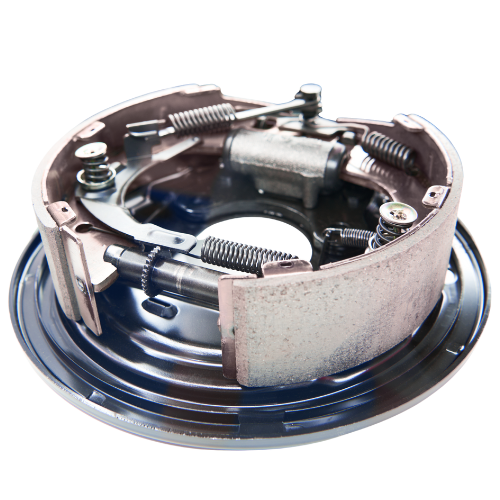
Adjustment and Friction: We offer advanced automatic slack adjusters and high-quality brake shoes and linings that benefit from the precise force translation delivered by our certified chambers.
Auxiliary Products: We provide essential auxiliary components like abs breaks components, air dryers, and axles to ensure fleets have access to everything required for comprehensive maintenance and risk mitigation.
We offer a robust secondary inventory that covers various components including air springs, brake discs, brake drums, and electric & electrical parts, ensuring we are a single, reliable source for all your commercial vehicle component needs.
Conclusion
The spring brake chamber is the ultimate fail-safe, and its selection demands a sophisticated approach. For procurement managers, choosing a component involves evaluating design integrity (like advanced breather systems), material science (corrosion resistance and spring composition), and supplier control (IATF certification and in-house manufacturing). By prioritizing these quality indicators and implementing routine maintenance, fleets can move beyond reactive maintenance and establish a proactive strategy that ensures unwavering safety and superior TCO across all vehicles.
Looking for brake chambers, slack adjusters or other commercial vehicle brake parts? Send us your product numbers, quantities or technical requirements for review.