
Explore the four key components that make up a truck’s brake system—engineered to ensure safe, reliable, and powerful stopping performance on every road.
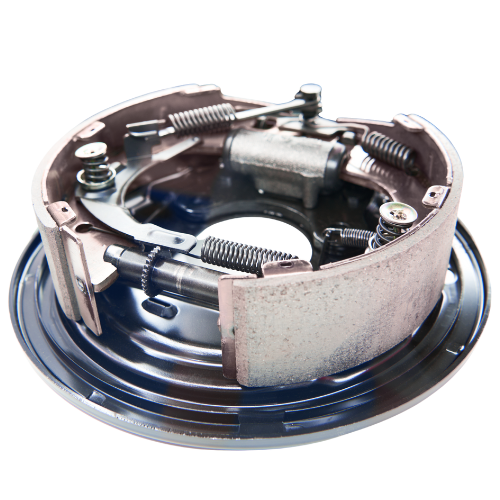
For any fleet operation, preventative maintenance is not just a regulatory necessity; it is the single most effective way to control costs, maximize uptime, and guarantee driver safety. Yet, the maintenance process often feels overwhelming, packed with technical steps, specialized tools, and complex reporting requirements.
This article serves as an extensive, easy-to-understand guide designed for fleet managers, mechanics, and procurement specialists. We will simplify the complex world of commercial truck maintenance, providing clear timeframes, essential preparation steps, safety protocols, and tips for sourcing the right parts and repair tools. The goal is to demystify fleet upkeep, ensuring your team has the foundational knowledge to run a safer, more efficient operation.
Before any maintenance work begins, proper preparation is non-negotiable. This phase ensures mechanic safety and guarantees the team has the necessary tools to perform work efficiently and accurately.
Essential Tools Needed Before You Begin
While a full-service bay requires sophisticated equipment, essential maintenance and inspection tasks can be performed with a standard set of high-quality, durable repair tools. Having these available minimizes downtime and prevents the need to substitute tools, which can cause damage.
Key items to have on hand include:
You can purchase these items from industrial supply houses, specialized heavy-duty vehicle repair tools distributors, or directly from manufacturers and their authorized parts suppliers. When sourcing, always prioritize tools built for heavy-duty, industrial use to ensure longevity and reliability.
Safety and Risk Mitigation
Maintenance involves inherent risks, from working with heavy machinery to handling corrosive fluids. Mitigating these risks protects personnel and prevents costly accidents.
The risks involved in maintenance are primarily physical injury, component damage due to improper procedure, and, most critically in a fleet context, failure to comply with safety regulations due to inadequate inspection.

A well-organized fleet maintenance program follows a tiered schedule, ensuring critical components are checked frequently, while larger systems undergo deeper inspections less often.
Daily or Pre-Trip Inspections
Drivers and mechanics should perform basic inspections every day. These checks are typically quick but critical for immediate safety.
Monthly or Quarterly Inspections
These deeper checks require a scheduled service bay visit and involve a detailed look at mechanical and structural integrity.
Annual or Mileage-Based Overhauls
These extensive checks often coincide with regulatory inspections and involve replacing components with a defined service life.
The brake system is the most heavily regulated and safety-critical system on any truck. Focusing your maintenance efforts here yields the highest returns in safety and compliance. When inspecting the wheel ends, pay attention to the components responsible for actuation and friction.
In fleet operations, maintenance is meaningless without accurate documentation. This documentation proves compliance and provides vital data for cost analysis and future planning.
Maintaining a high-performing fleet requires commitment not only to scheduled service but also to the quality of the replacement parts used. For over two decades, GAPASA has been an IATF 16949-certified leader in providing premium-quality truck and trailer brake parts. We specialize in components that meet the demanding needs of commercial vehicles in the logistics and trucking industry worldwide.
Our comprehensive manufacturing capabilities, which include advanced forging, casting, and CNC technology, allow us to control the entire production process. This commitment to precision ensures that every part we produce, from raw materials to final assembly, delivers consistency, durability, and reliability.
We supply key components vital to your maintenance schedule, including high-precision slack adjusters for consistent brake tuning, robust brake chambers designed for longevity and reliable air-to-force conversion, and durable S-camshafts that serve as the core actuation mechanism in drum brakes. By partnering with GAPASA, you gain access to reliable, cost-effective solutions backed by strict quality standards, helping you maximize the value and safety of your maintenance investment.
The secret to highly effective fleet maintenance is not in mastering overly complex technical details, but in establishing a disciplined schedule and committing to quality, safety, and documentation. By understanding when to check the slack adjuster travel, how to safely inspect the brake chamber, and the crucial reports that must be filed, fleet personnel can move beyond merely reacting to failures and adopt a proactive, predictable maintenance system. This systematic approach, supported by sourcing premium parts from trusted truck brake calipers manufacturers, ensures your commercial vehicles remain safe, compliant, and on the road where they belong.