Giving truck drivers complete confidence in every stop and start
COMponents
four main components of a truck’s brake system
Explore the four key components that make up a truck’s brake system—engineered to ensure safe, reliable, and powerful stopping performance on every road.
Maintaining a profitable and compliant fleet hinges on minimizing downtime and ensuring maximum vehicle safety. Central to this operational goal is the brake system, the most critical safety mechanism in any commercial vehicle. Fleet operators and logistics managers face the complex challenge of procuring replacement and maintenance parts that meet rigorous safety standards while navigating fluctuating market costs and supply chain risks. Strategic procurement of components like brake chambers, slack adjusters, and air disc brake calipers is not merely a purchasing function; it is a fundamental aspect of risk management and long term financial health. This guide explores the procurement process, the cost landscape, common challenges, and the non negotiable value of component quality for modern trucking operations.
The Criticality of Commercial Truck Brake Components
The heavy duty braking system is a finely tuned network of mechanical, pneumatic, and electronic parts designed to reliably stop massive loads under varied conditions. Understanding the function of each core component is the first step toward effective procurement. When seeking reliable truck brake calipers manufacturers, fleet operators must prioritize suppliers who produce consistent, high-performing parts.
Essential Components Defined
The primary components requiring regular inspection and replacement are complex and demand engineering precision.
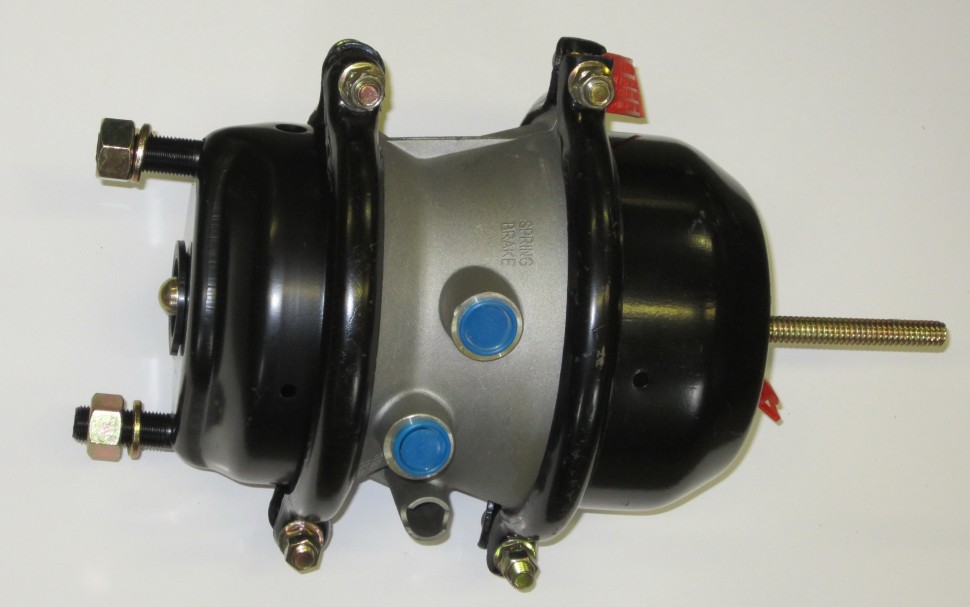
Brake Chambers: The brake chamber is fundamental to air brakes systems, converting compressed air energy into mechanical force that applies the brake calipers or activates the drum brakes. Procuring a dependable brake chamber replacement part is essential, as failure directly leads to loss of braking capability. The quality of the internal diaphragm and spring dictates the chamber’s longevity and responsiveness.
Slack Adjusters: The slack adjuster of trucks is a crucial mechanism that automatically maintains the correct distance, or slack, between the brake shoes or pads and the brake drum/rotor as the lining wears down. Failure of the semi truck slack adjuster can lead to delayed braking action or drag, impacting both safety and fuel efficiency. Reliable slack adjusters are a necessary investment for all commercial vehicles.
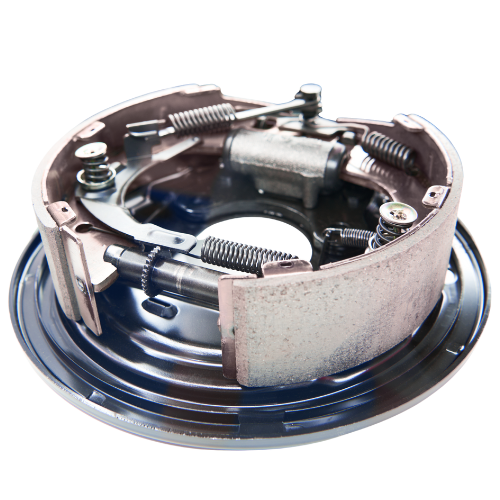
S-Camshafts: In drum brake systems, the S-camshaft rotates to push the brake shoes outward against the drum. The precision of the shaft’s geometry and heat treatment is vital for even braking force distribution.
Brake Calipers: Used in air disc brake systems, the brake calipers house the pads and utilize pneumatic pressure to clamp them onto the brake discs. Heavy duty brake calipers must be sourced from expert truck brake calipers manufacturers to handle the severe thermal and mechanical stresses encountered in sustained deceleration.
Navigating the Procurement Process and Costs
The procurement cycle for truck brake parts involves rigorous vetting, sourcing, and negotiation. Cost management is perpetually challenging due to raw material volatility, global logistics expenses, and required certifications.
The Multi-Step Procurement Cycle
A systematic approach ensures that replacement parts integrate seamlessly with existing fleet specifications and regulatory requirements.
Needs Identification and Specification: This involves analyzing telematics and maintenance data to forecast demand for specific parts, such as slack adjuster units or brake shoes, based on vehicle type and operational routes.
Supplier Vetting and Qualification: Fleet operators must conduct extensive background checks on truck brake calipers manufacturers and distributors, focusing on quality certifications and adherence to OEM specifications. This step is necessary to mitigate the risk of acquiring inferior products.
Negotiation and Logistics: Negotiating volume discounts and establishing reliable logistics channels are key. This includes ensuring proper inventory management to avoid costly expediting for emergency brake chamber replacement needs.
Cost Dynamics in Brake System Components
The cost of procuring truck brake parts varies widely based on whether the source is an OEM (Original Equipment Manufacturer), the independent aftermarket, or a certified supplier. Industry analysis reports frequently indicate that prices for premium, high-wear components have seen moderate increases tied to global steel and forging costs.
Cost Range Integration: For high wear items like a standard brake chamber, typical replacement costs might range between $150 to $400, depending on the type and brand, according to 2024 maintenance and repair indices published by leading commercial vehicle parts distributors. By contrast, specialized assemblies like heavy duty brake calipers for modern trucks can incur costs upwards of $800 to $1,500 per unit, excluding installation, a figure often reported in analyses by the American Trucking Associations (ATA) related to complex system maintenance. Similarly, reliable slack adjuster assemblies generally fall within the $80 to $250 range, as noted in recent industry reports focused on aftermarket component pricing, highlighting the need for cost effective long term procurement strategies.
Source Impact on Pricing: OEM components offer guaranteed specification adherence but come with a higher price tag. Certified aftermarket parts, when sourced from a trustworthy truck brake calipers manufacturers like those with IATF 16949 certification, can provide equivalent quality at a competitive price point, offering significant budget relief without compromising safety.
Procurement Obstacles and Strategic Solutions
The global supply chain presents numerous hurdles when procuring essential safety parts. Overcoming these challenges requires strategic planning and dedication to quality control.
Common Procurement Challenges
Ignoring these issues can lead to severe operational and financial consequences for a fleet.
Counterfeit and Substandard Parts: The market is flooded with unauthorized or inferior components that mimic the appearance of trusted brands. These parts, including non certified brake chambers or low quality brake shoes, introduce catastrophic failure risk and invalidate warranties, leading to unexpected repair costs.
Supply Chain Volatility: Global events, trade restrictions, and logistics bottlenecks frequently disrupt the flow of essential truck parts. Delays in receiving a crucial item, such as a large order of slack adjusters, can lead to days or weeks of vehicle downtime, dramatically impacting delivery schedules and profitability.
Quality Variance Across Suppliers: Even legitimate aftermarket suppliers can show inconsistency in manufacturing precision or material quality. A minor deviation in the forging or machining of an S-camshaft or the calibration of an air brakes valve can compromise the entire braking performance.
Strategic Solutions for Fleet Operators
Proactive measures and established protocols are the key to mitigating procurement risks.
Mandatory Supplier Certification: Fleet operators should mandate that all major component suppliers, especially those providing brake calipers and air system parts, possess IATF 16949 quality management certification. This ensures adherence to the most rigorous standards of the automotive industry.
Dual Sourcing Strategy: Implementing a dual sourcing approach for high-demand items, such as brake chamber replacement kits or brake shoes, safeguards against single point supply failure due to unforeseen disruptions.
Rigorous Incoming Inspection: Establishing strict inspection protocols upon delivery ensures that component specifications are met before installation. This might include checking material composition or dimensional tolerance on parts like heavy duty brake calipers.
Total Cost of Ownership Focus: Shifting the procurement focus away from the initial purchase price toward the total cost of ownership (TCO) is essential. A cheaper, low quality slack adjuster that requires replacement every six months is far more expensive than a premium part lasting several years.
The foundation of successful Total Cost of Ownership management rests on finding partners with certified quality control and manufacturing expertise.
GAPASA: Driving Safety and Quality in Truck Brake Systems
GAPASA is an IATF 16949-certified leader in manufacturing premium quality truck and trailer brake parts. With over 20 years of experience, we specialize in producing critical brake system components that meet the demanding needs of commercial fleets worldwide. Unlike suppliers who rely on outsourced production, GAPASA controls every step of the manufacturing process from raw materials to final assembly.
Our core focus is on providing components designed for maximum performance and longevity:
Slack Adjusters: Manufacturing the precise mechanisms that automatically ensure proper brake clearance, including every necessary type of slack adjuster of trucks.
Brake Chambers: Producing robust units essential for translating air brakes pressure into mechanical force, securing immediate and reliable stopping capability.
Air Disc Brake Calipers: Supplying advanced heavy duty brake calipers engineered for superior thermal management and reliable stopping power in modern braking systems.
We also support fleets with a wide range of complementary safety and maintenance parts, including high quality brake shoes, various brake discs, brake drums, and pneumatic components such as control valves and air dryers.
Conclusion
The procurement of truck brake components is a decisive factor in fleet safety, regulatory compliance, and overall profitability. By moving beyond simple price comparisons and adopting a strategic approach focused on total cost of ownership and verified quality certifications, fleet managers can significantly reduce operational risk. Partnering with a proven manufacturer like GAPASA, who controls the quality of every brake chamber, slack adjuster, and brake calipers assembly from raw metal to finished part, provides the necessary assurance. Investing in superior parts is the only way to safeguard your drivers, cargo, and the long term financial viability of your fleet.
Looking for brake chambers, slack adjusters or other commercial vehicle brake parts? Send us your product numbers, quantities or technical requirements for review.