
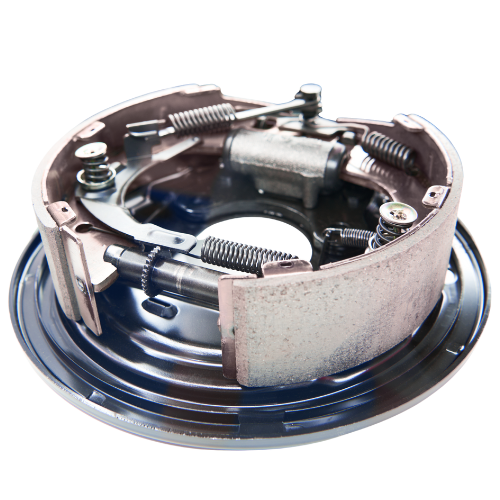
Explore the four key components that make up a truck’s brake system—engineered to ensure safe, reliable, and powerful stopping performance on every road.
The efficiency and safety of any commercial fleet are anchored by the quality and consistency of its reporting structure. Comprehensive documentation, from daily pre-trip inspections to formal accident reports and part replacement logs, transforms raw operational data into actionable insights, ultimately reducing downtime and maintenance costs. For drivers and fleet managers, mastering a seamless reporting process is critical not just for compliance, but for ensuring the long-term health of the vehicle fleet. This article explores the strategic framework necessary for effective daily, weekly, and monthly reporting, focusing on procedural clarity, data accuracy, and how superior components can help to minimize the volume of critical reports.
The Daily Vehicle Inspection Report (DVIR) serves as the primary preventative maintenance document. Its purpose is to capture potential issues before they escalate, providing the first critical layer of data for weekly and monthly reports.
Standardizing Pre-Trip Component Checks
Effective DVIR reporting relies on a standardized, systematic approach that ensures no critical system is overlooked. The report must clearly detail the functional status of key components, particularly those related to stopping power.
Digital Versus Paper Reporting
While paper reports remain common, digital DVIR systems offer seamless data logging, immediate notification of defects to the maintenance team, and automatic timestamping. Regardless of the medium, the principle of documenting every defect, even minor items like a faulty gauge or a loose mirror, is paramount to generating accurate, comprehensive fleet health reports.
When an inspection reveals a defect or a component reaches the end of its service life, the subsequent repair documentation must be detailed, accurate, and structured to facilitate warranty claims and maintenance scheduling.
Documenting Component Wear and Failure
Accurate reporting during repair cycles provides fleet managers with the component lifespan data necessary to forecast future part expenditures and optimize inventory.
Handling Part Return and Damage Reports
A common source of logistical stress is the handling of damaged or failed parts designated for return, warranty, or core exchange. Streamlining this process requires specific procedural steps:
Accurate, standardized accident reporting is crucial for insurance, liability, and safety reviews. The focus must be on objective data collection under stressful circumstances.
Immediate Roadside Procedures
Drivers should follow a pre-established checklist immediately following any incident to secure the scene and capture initial, unbiased data.
Detailed Reporting of Damage and Circumstance
The subsequent formal report moves beyond the immediate scene to provide analytical detail of the damage and circumstances.

Efficient fleet operations depend on having the right replacement parts available. The reporting system must seamlessly track inventory consumption and needs.
Accuracy in Usage Reporting
Maintenance reports drive procurement decisions. Poorly reported parts consumption can lead to unnecessary stocking costs or critical shortages.
Integrating Predictive Maintenance Data
Modern reporting should integrate data from diagnostic systems. A weekly report should summarize diagnostic findings on components like in a semi truck slack adjuster before they physically fail, allowing maintenance to be scheduled proactively. This shifts the reporting focus from documenting failure to documenting prevention.
While comprehensive reporting is essential for risk management, the most effective way to reduce maintenance-related paperwork is by increasing component quality. A high-quality part is less likely to fail prematurely, directly minimizing the volume of DVIR defects, unscheduled repair orders, and warranty reports.
As an IATF 16949-certified specialist, GAPASA is dedicated to manufacturing premium brake system components for commercial vehicles. The company’s focus is on engineering parts designed for durability and longevity, directly addressing the underlying causes of operational reporting burdens.
GAPASA understands that the best reports are the ones that simply document routine success, not unexpected failure. By providing dependable solutions for the air brakes system, the company helps fleets significantly reduce the administrative stress associated with premature part wear, allowing drivers and managers to focus on logistics rather than paperwork.
The daily, weekly, and monthly reporting cycle is more than just an administrative burden; it is a powerful tool for fleet optimization. By standardizing reporting procedures for vehicle defects, accident circumstances, and parts logistics, fleets create a clean, comprehensive data stream. This disciplined approach ensures that all parties, from the driver logging a minor issue with the slack adjuster to the manager reviewing the consumption rate of brake shoes, have the necessary information to maintain operational excellence, safety, and compliance.